
Articles on ADHD, Relationships, and Emotional Wellbeing

Feeling stuck or foggy? A dopamine menu is a simple ADHD tool that helps you reset with quick, practical choices. Learn how to build your own today.

People pleasers often feel ashamed when resentment shows up. In reality, resentment is often the first sign that someone has been over-giving for too long.

Motherhood can unmask ADHD even for high functioning women who once managed well. Learn why so many ADHD moms struggle after baby and how support helps.

Shame can feel like a constant companion when you have ADHD - missed deadlines, forgotten tasks, or relationship struggles. This post explores why ADHD and shame are so connected, and how self-compassion, vulnerability, and support can help you break the cycle and reclaim your worth.

The We Do Not Care Club is more than a viral trend. It’s a cultural permission slip for women to stop people-pleasing and reclaim what matters in midlife. Learn how joining the club can inspire healthier boundaries, reduce guilt, and help you focus on the relationships and choices that truly deserve your energy.”

Living with ADHD often means starting the day with good intentions but feeling overwhelmed before you even begin. In this post, I share three ADHD productivity strategies; Pomodoro, chunking, and body doubling, that can help you focus, reduce stress, and actually get things done.

People-pleasing can look like kindness while quietly draining you. Learn how to spot the patterns, and how to set healthier boundaries.

If you grew up feeling responsible for others emotions, you may be stuck in emotional caretaking. Learn how therapy can help you let go.

If you're always doing more than your share in relationships, you might be overfunctioning. Here's why it happens and what to do instead.

Setting boundaries isn’t selfish even if it feels that way at first. If you’re tired of saying yes to everyone else and no to yourself, this one’s for you.
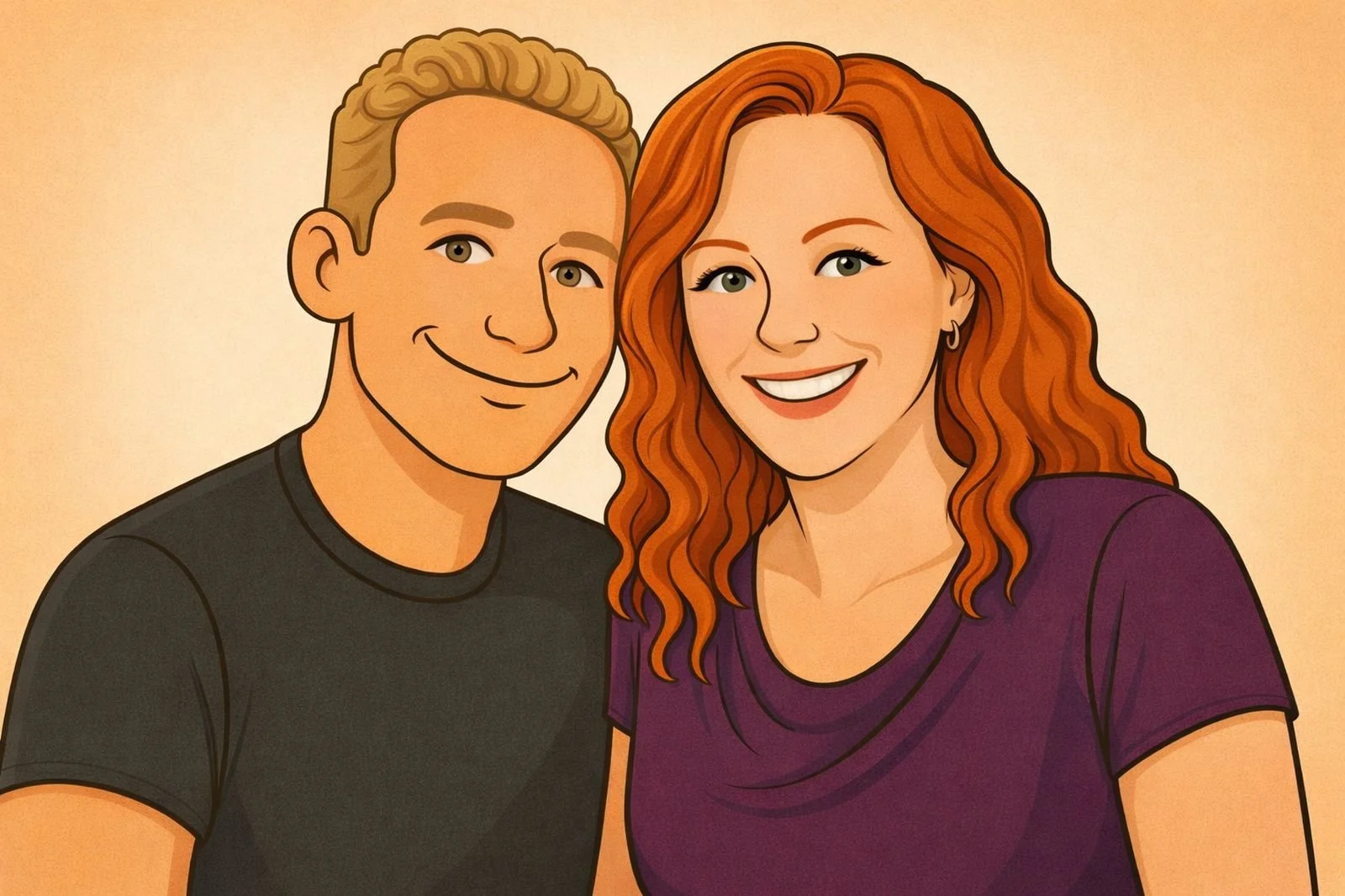
In this post, I share my perspective on ADHD in marriage as a neurotypical partner married to someone with ADHD, centering his experience of our dynamic. If you’ve ever felt like you’re speaking different emotional languages, this one’s for you.



Starting therapy, especially for the first time, can come with a ton of anxiety and discomfort. This can get in the way of determining right away if your new therapist is right for you.

Learn how attachment styles can affect relationships. Explore secure and insecure styles, attachment theory, and compatibility in romantic relationships.

To apologize is to humble oneself by acknowledging our personal deficiencies or errors. The ego protests it and then our defenses rise to justify our actions and look for ways to avoid it.

Closure is a gift that you can give to yourself. It is not dependent upon what somebody else does, because that feeling of closure is the culmination of a deeply personal journey of gradually letting go of the need for input from the other person and arriving at a place of acceptance.
Guidance for Everyday Life
These articles are written to offer practical guidance that you can use in everyday life. Many are rooted in Emotionally Focused Therapy (EFT) and attachment theory, which help explain the deeper patterns behind disconnection, conflict, and people-pleasing. You’ll also find support for managing adult ADHD in relationships, learning more about your attachment style, and setting boundaries without guilt. My aim is to make therapy insights accessible, so you can apply them in real time, whether that means finding calmer ways to communicate, easing anxiety, or creating healthier balance with the people you love. As you browse, notice which topics speak most to your own experience. This library will keep growing, and each article is meant to be both relatable and usable.
I HOPE YOU FIND SOMETHING HERE THAT MAKES YOUR EVERYDAY LIFE feel A LITTLE CLEARER, CALMER AND MORE CONNECTED.